
How to Optimize Vents and Breathers for Off-Road and Overland Vehicles
Understanding Vents and Breathers in Off-Road and Overland Vehicles
In off-road and overland vehicles, components such as axles, engines, transmissions, and transfer cases are equipped with vents and breathers. These breathers play a critical role in managing pressure and temperature changes within oil-lubricated and cooled systems. As these components operate, the oil heats up and expands, and without a breather, pressure would build. A properly functioning breather allows for the displaced air to flow freely, maintaining the system's integrity.
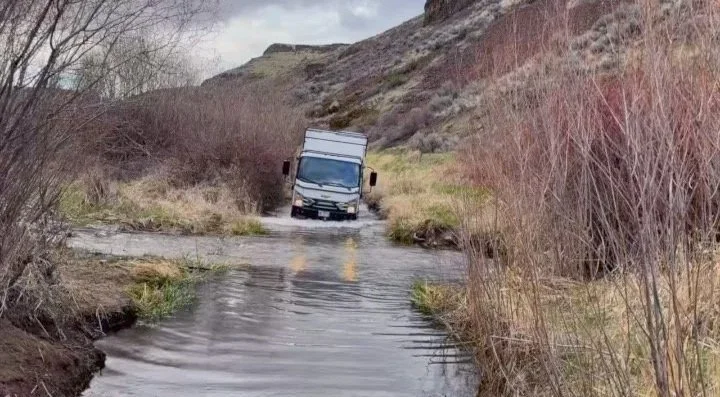
The Role of Breathable Vents
Breathers are typically located directly on components like the axles or transfer cases. While these low-mounted breathers work fine for most daily driving conditions, they pose a risk in situations where deep water crossings are common. If the breather is submerged in water, there's a potential for water to enter the system—an issue that can lead to significant damage over time.
For typical use, this risk is minimal. It’s rare to submerge an axle, and in the event that it does happen, simply changing the fluid will usually suffice. However, in off-road or overland scenarios where high water crossings are more frequent, relocating breathers to a higher point can help mitigate the risk of water ingress and ensure optimal performance.
Rufus’ Central Breather Manifold Solution
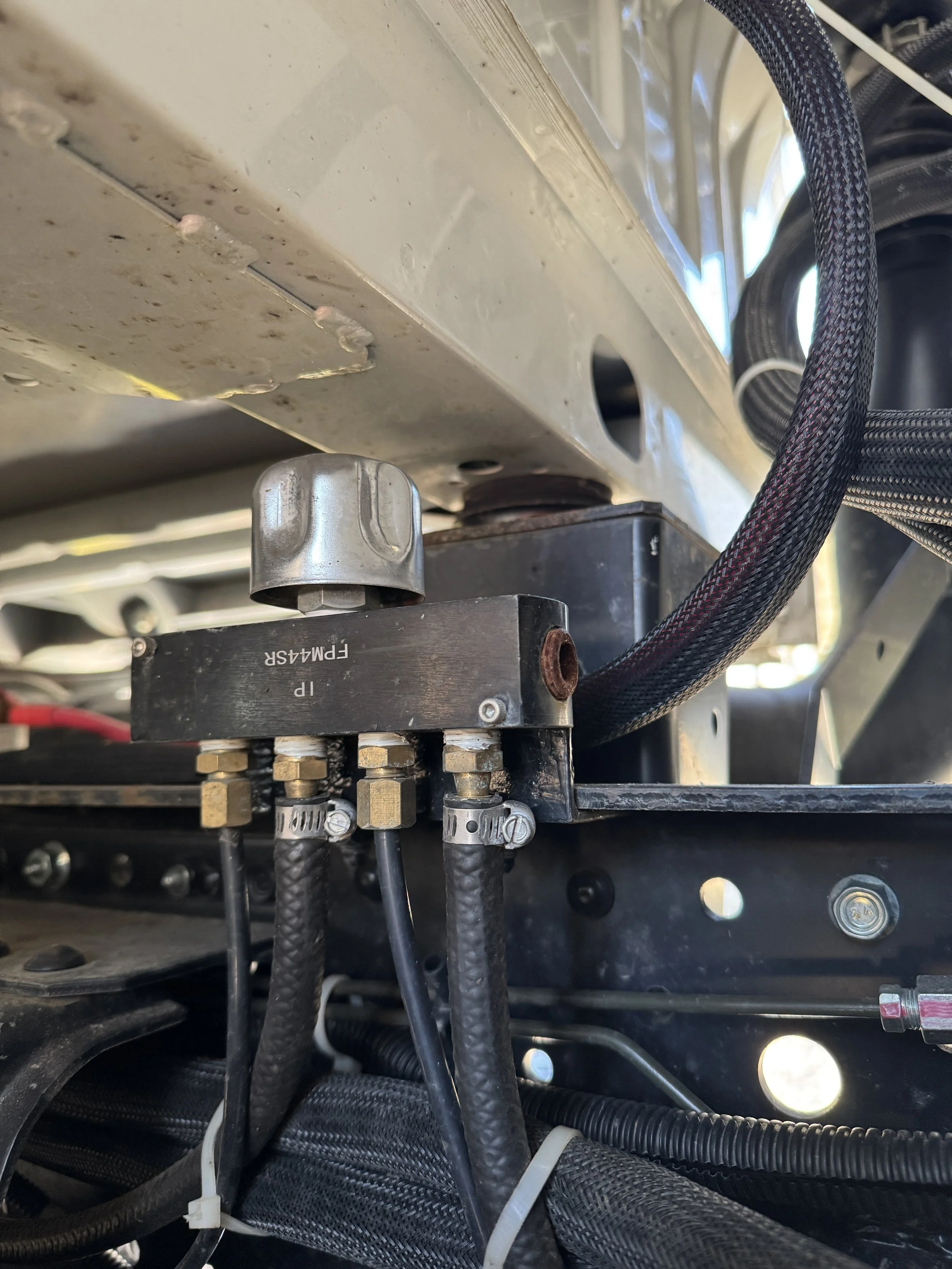
In our overland vehicle, Rufus, we decided to address this concern by installing a central vent manifold. This solution consolidates the breathers from all critical components and routes them to a single, elevated manifold. Mounted high in a location where it’s unlikely to encounter water, this central vent system provides peace of mind during water crossings.
The system includes breathers for the front and rear axles, the NP205 transfer case, and the 6L90 transmission. The manifold features 4 ¼-inch NPT threaded ports to connect our vents and a 3/8-inch NPT threaded port for our filter, which are connected as follows:
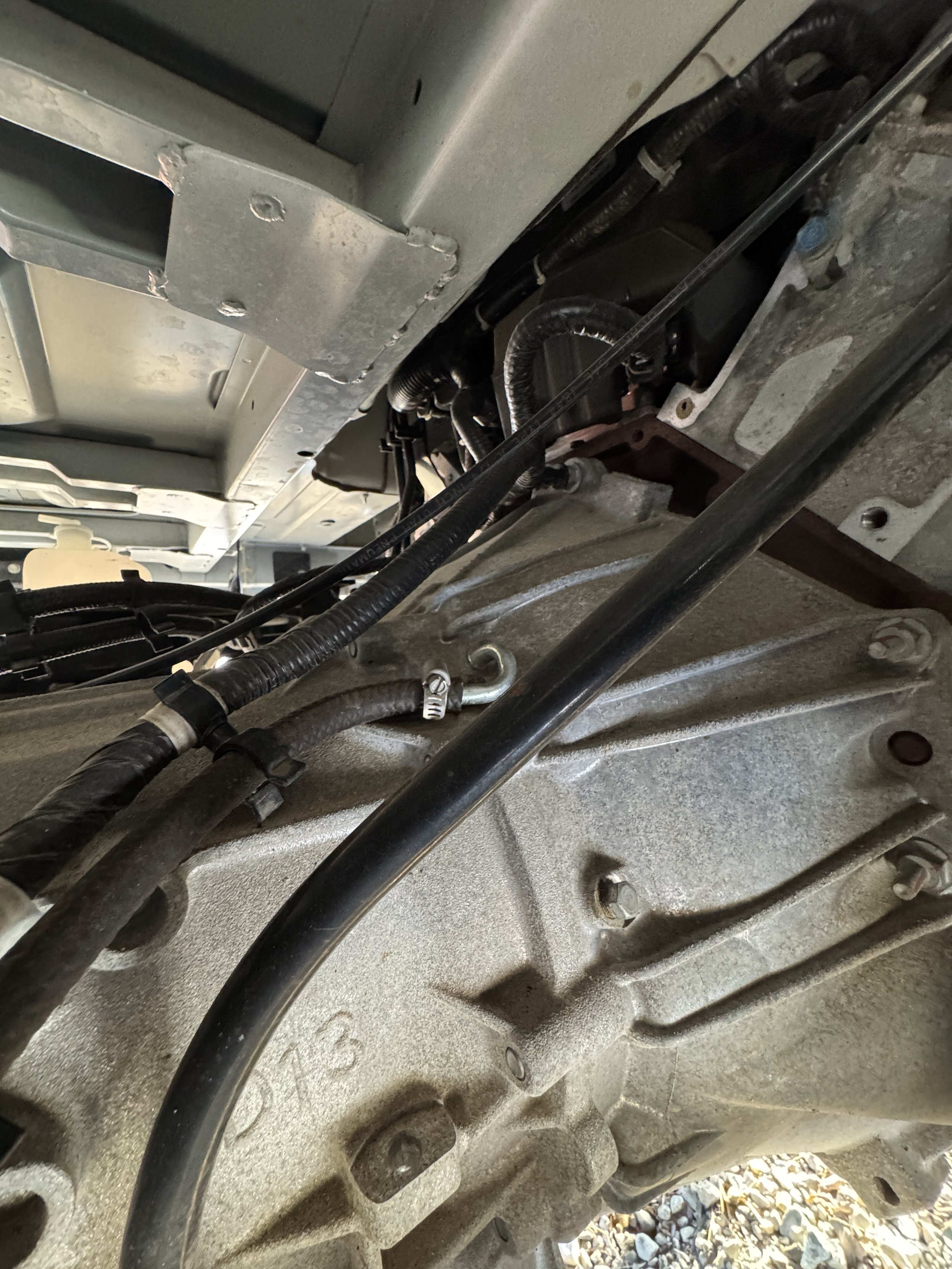
Transmission: The transmission originally came with a short rubber vent line. We replaced this with a longer hose, extending it to the central manifold. A barb fitting was installed on the manifold to securely connect the rubber hose.
Transfer Case: The NP205 transfer case has a threaded port. Due to its location, we chose to use a rubber hose, connected via barbed fittings at both the transfer case and the manifold.
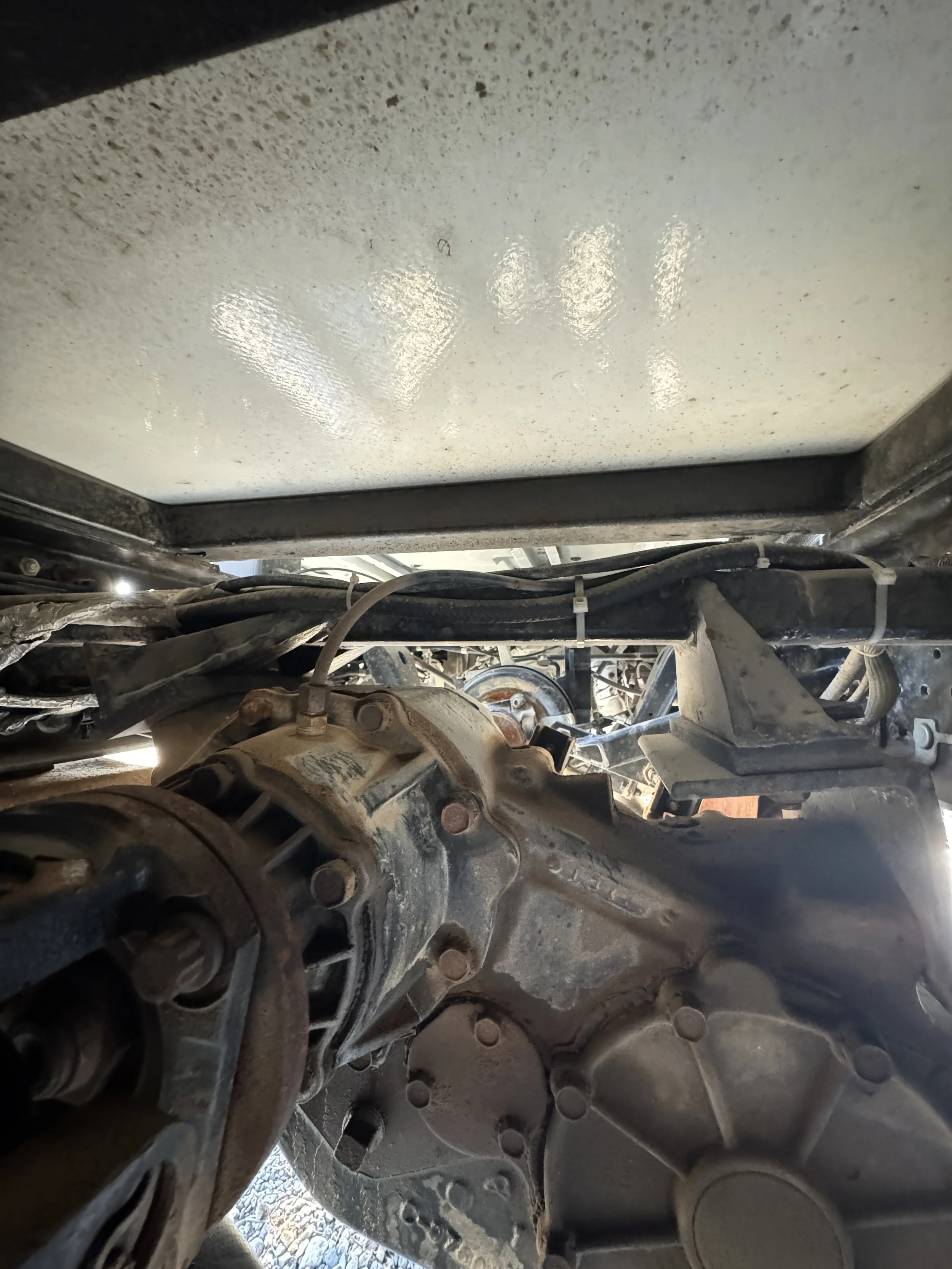
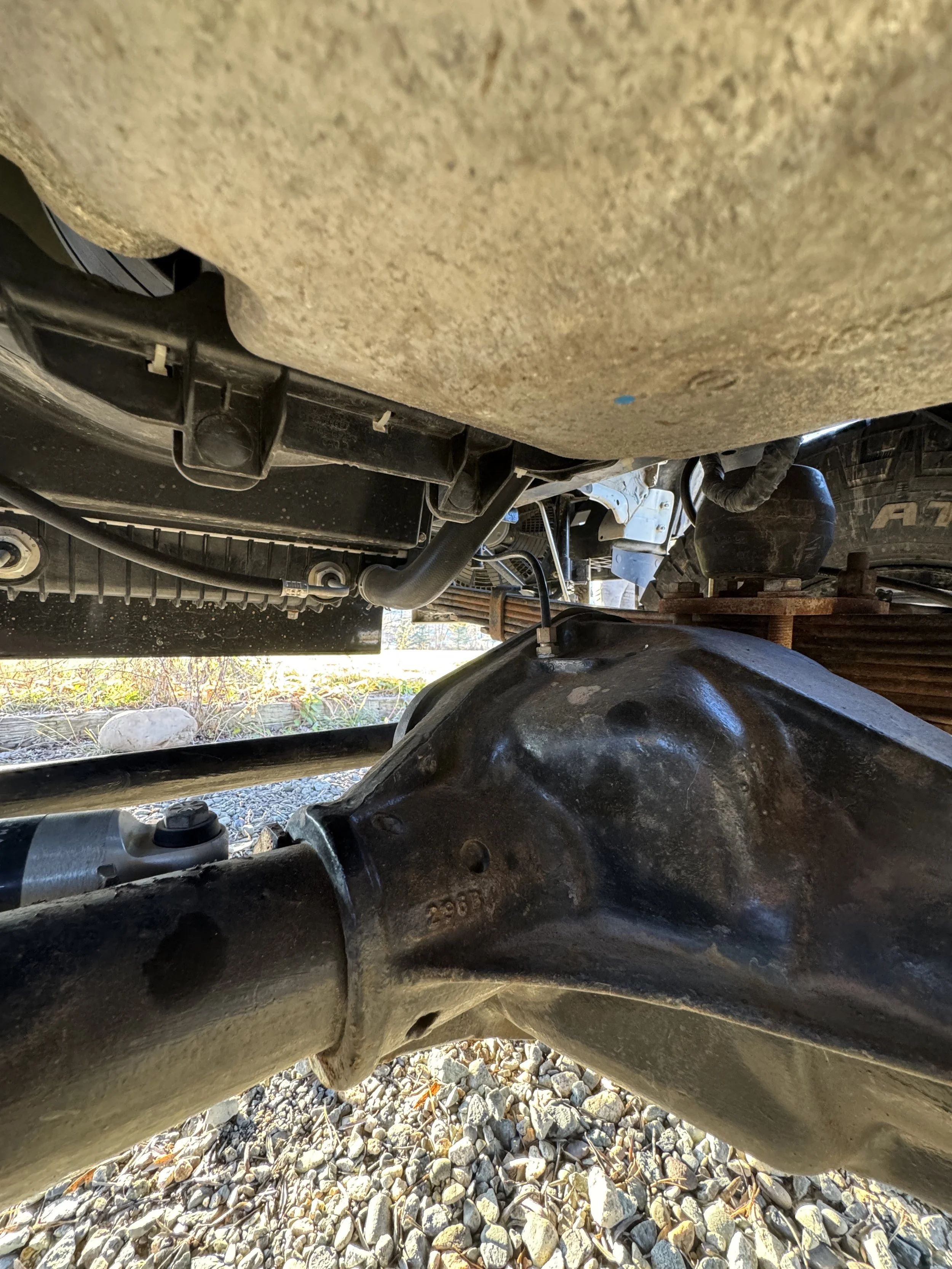
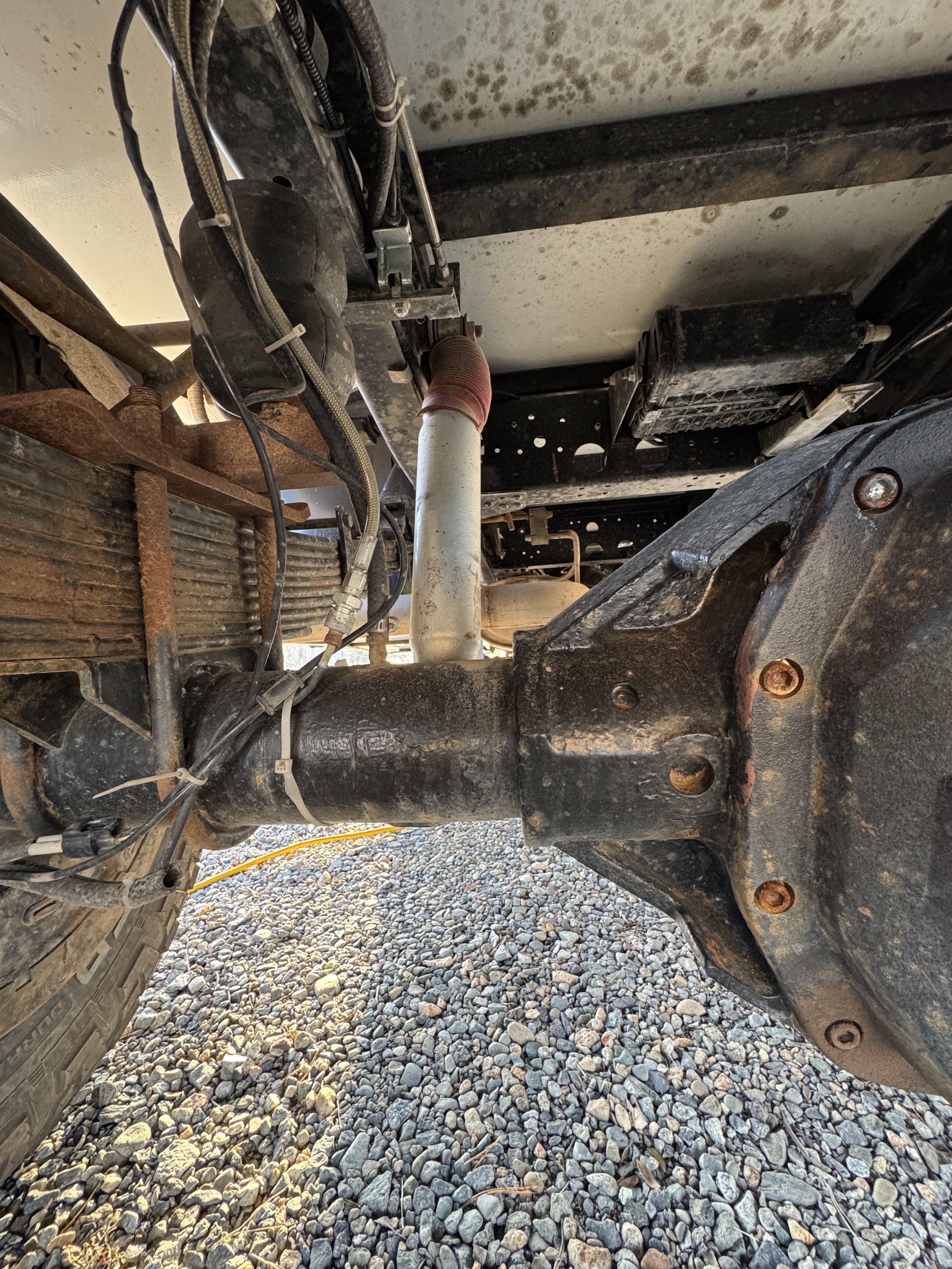
Axles: Both front and rear axles have threaded ports on the top of the differential. To route the axle vents to the manifold, we used plastic air brake tubing. Air brake tubing is measured by its outer diameter, which matches the specifications of plumbing compression fittings. We used ¼” NPT to ¼-inch compression fittings at both the manifold and the axles. This setup ensures a leak-free vent path.
Why a Higher Vent Location Matters
In an off-road environment, the risk of water crossing is always present. By elevating the breathers, we minimize the chances of water intrusion into crucial drivetrain components, ensuring longevity and reliability. The central vent manifold not only simplifies maintenance but also ensures that all breathers are located in a high, protected area, free from the threat of submersion.
Conclusion
Relocating vents and breathers to a higher location is a simple yet effective modification that significantly enhances the reliability of your vehicle in off-road and overland conditions. By taking proactive steps like installing a central vent manifold, you can safeguard your vehicle's drivetrain components from water damage, extending their lifespan and improving overall performance.
If you're planning to tackle water crossings on your next adventure, consider this upgrade to ensure your vehicle is ready for anything that comes its way.
