
Isuzu Cabover Seat Upgrade for Overlanding & Expedition Travel
Replacing the Seats in Our Isuzu Cabover Expedition Truck
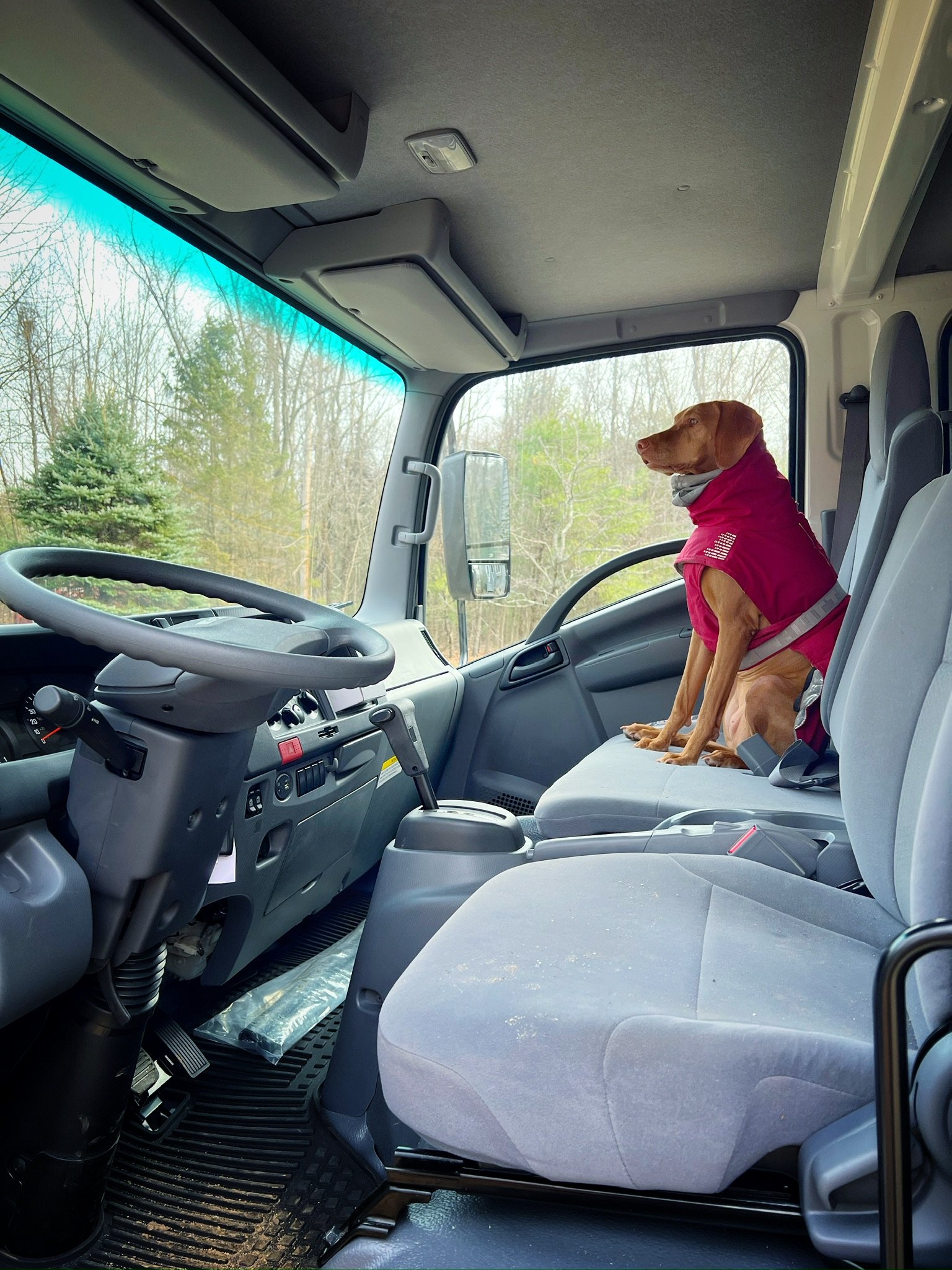
Part of turning Rufus into a comfortable, long-distance expedition camper was upgrading the seating. While Isuzu designed the LCF4500 to be driven all day, the factory seats still leave a lot to be desired for overland travel. Cushioning, support, heat, adjustability—nearly every category came up short. Other than being lightweight, there weren’t many redeeming qualities.
For a truck meant to cover long miles on highways, dirt roads, and remote tracks, seat comfort matters just as much as suspension or tires.
Front Seat Requirements for Overland Travel
For the front seats, we wanted something built for long driving days with a proper ergonomic seating position. Our must-haves included:
Good adjustability
Heated seats
Long-term comfort and support
A compact footprint to fit a cabover truck
Continued access to the engine below the cab
Armrests would have been nice, but they weren’t a deal breaker.
Because this is a cabover design with the seats positioned directly over the engine, we had to be careful. Most pickup and SUV seats are simply too large and bulky. They position the driver too high, making pedal reach uncomfortable and visibility awkward. Smaller car seats made much more sense, though that meant giving up built-in armrests.
Choosing Volvo Seats for a Cabover Truck
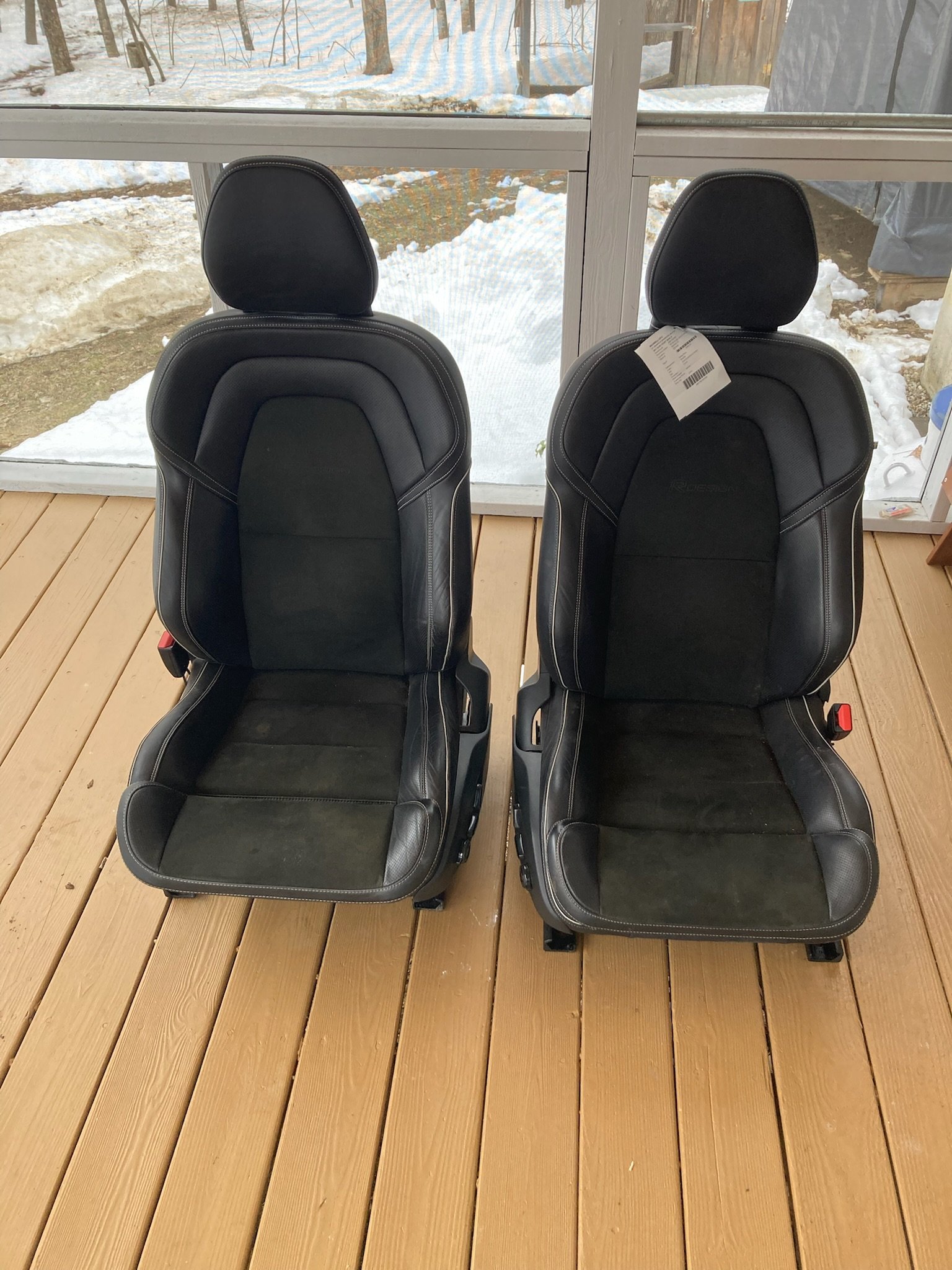
After a lot of research, we landed on seats from a 2019 Volvo XC90. Volvo used essentially the same seats across the 90-series lineup (V90, S90, XC90), which made sourcing replacements easier.
These seats are:
7-way adjustable
Heated
Leather bolsters with suede centers
We specifically did not want full leather. Leather gets hot in the sun, cold in winter, and tends to be slippery on rough roads. The leather bolsters make it easy to slide in and out, while the suede centers help keep you planted when bouncing down a washboard road or off-camber trail.
Electrical Integration: Ditching CAN Bus Controls
Our original plan was to retain the factory Volvo seat controls. That idea didn’t last long.
Volvo’s controls communicate through a CAN bus comfort control module, which then sends commands back to the seat motors. Reverse-engineering that system quickly became more effort than it was worth. On top of that, the factory controls hang low on the seat and interfered with our mounting plans.
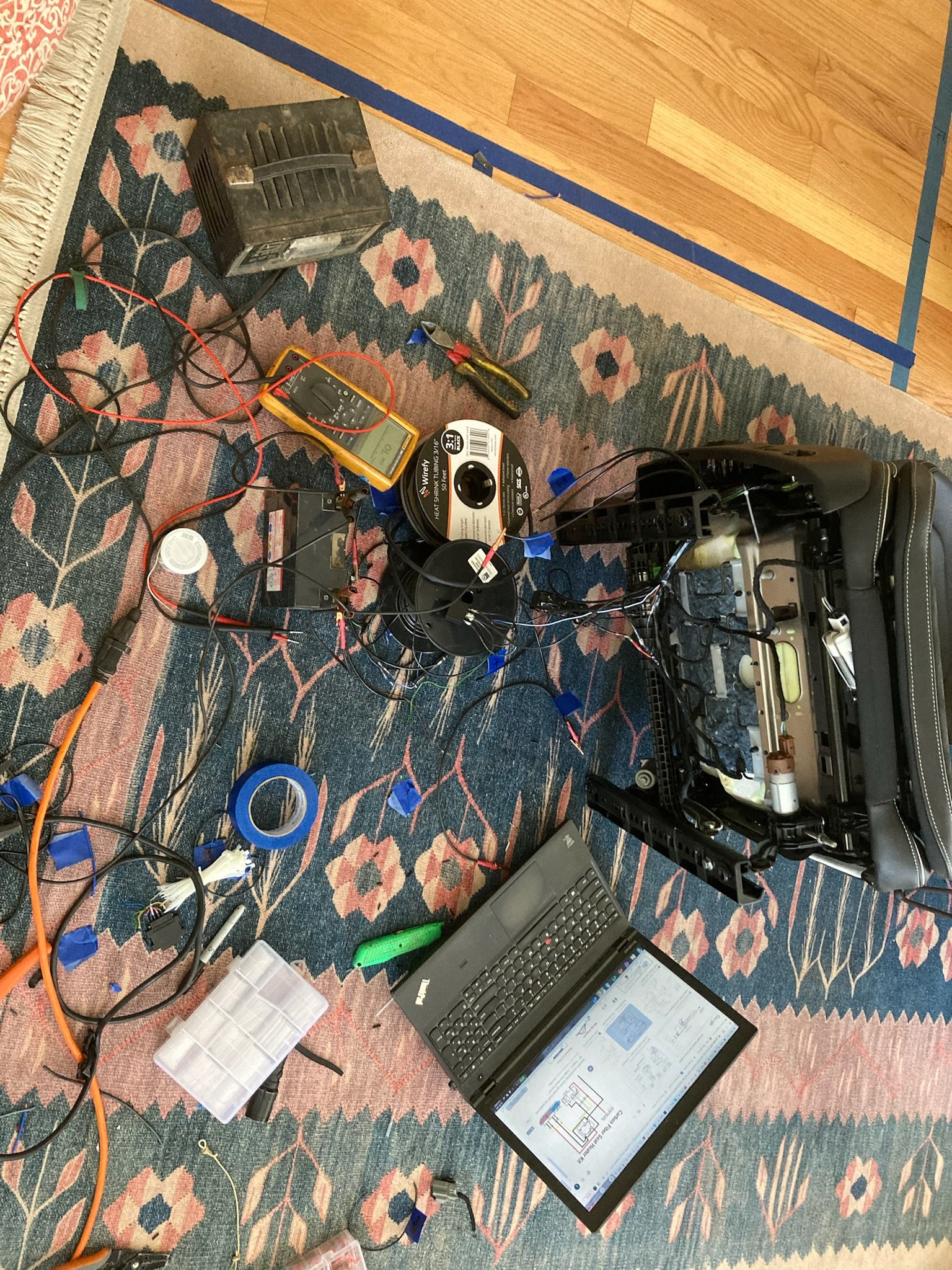
Instead, we built a custom seat control panel using:
SPDT on-off-on momentary switches for each seat motor
A momentary button for the lumbar air pump
An SPDT switch to independently deflate the lumbar bladders
The system works well: both lumbar bladders inflate together, then deflate individually until the desired support is reached.
Heated Seat Wiring: Simple and Effective
For seat heat, we used a latching SPDT switch with Low / Off / High positions. To achieve two heat levels, we wired a relay that switches the seat heating pads between parallel (high) and series (low) configurations.
In practice, high is way too hot. We run the seats almost exclusively on low (series), which is perfect for cold mornings without overheating.
Mounting the Front Seats
Driver Seat Mounting
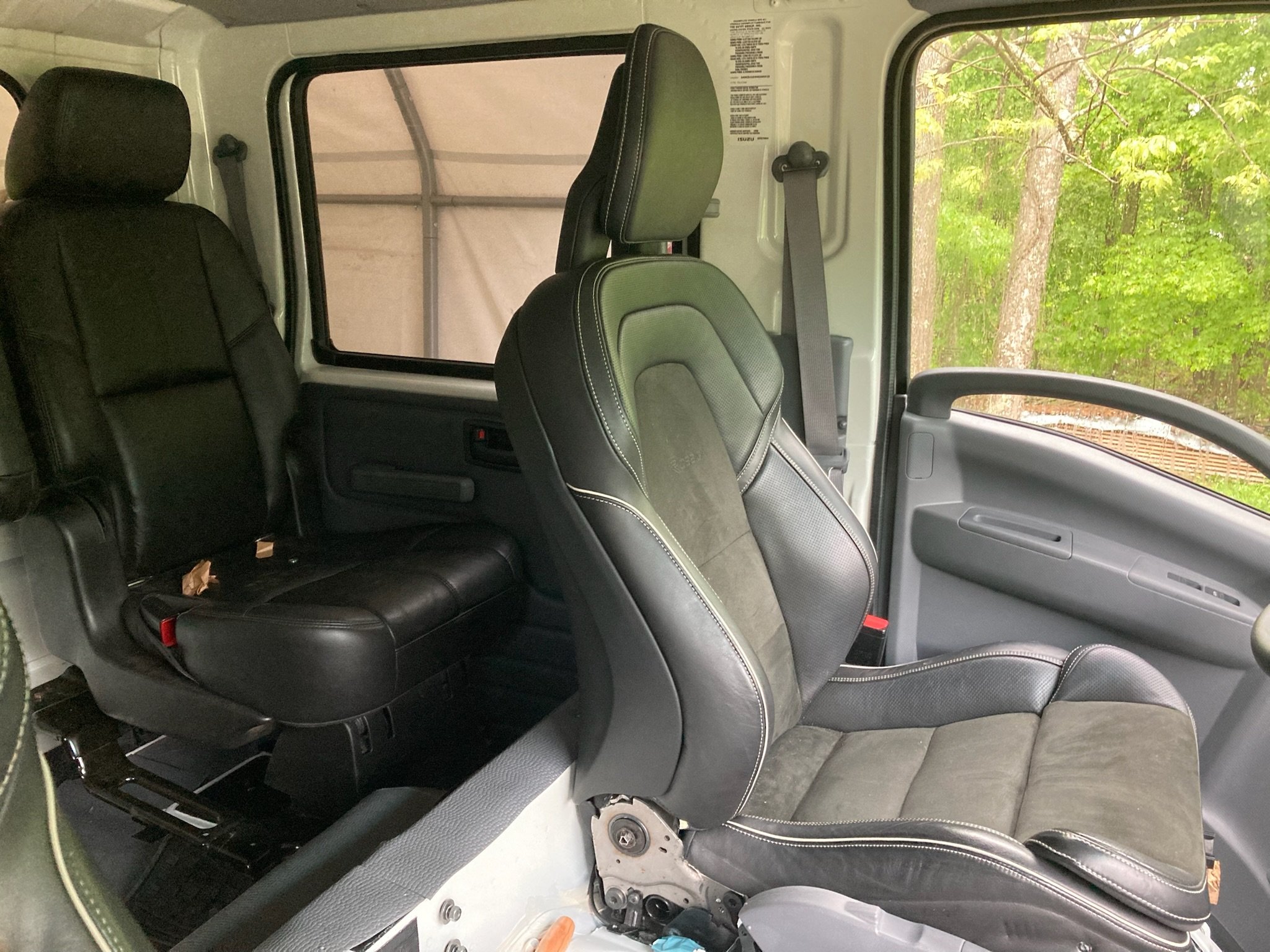
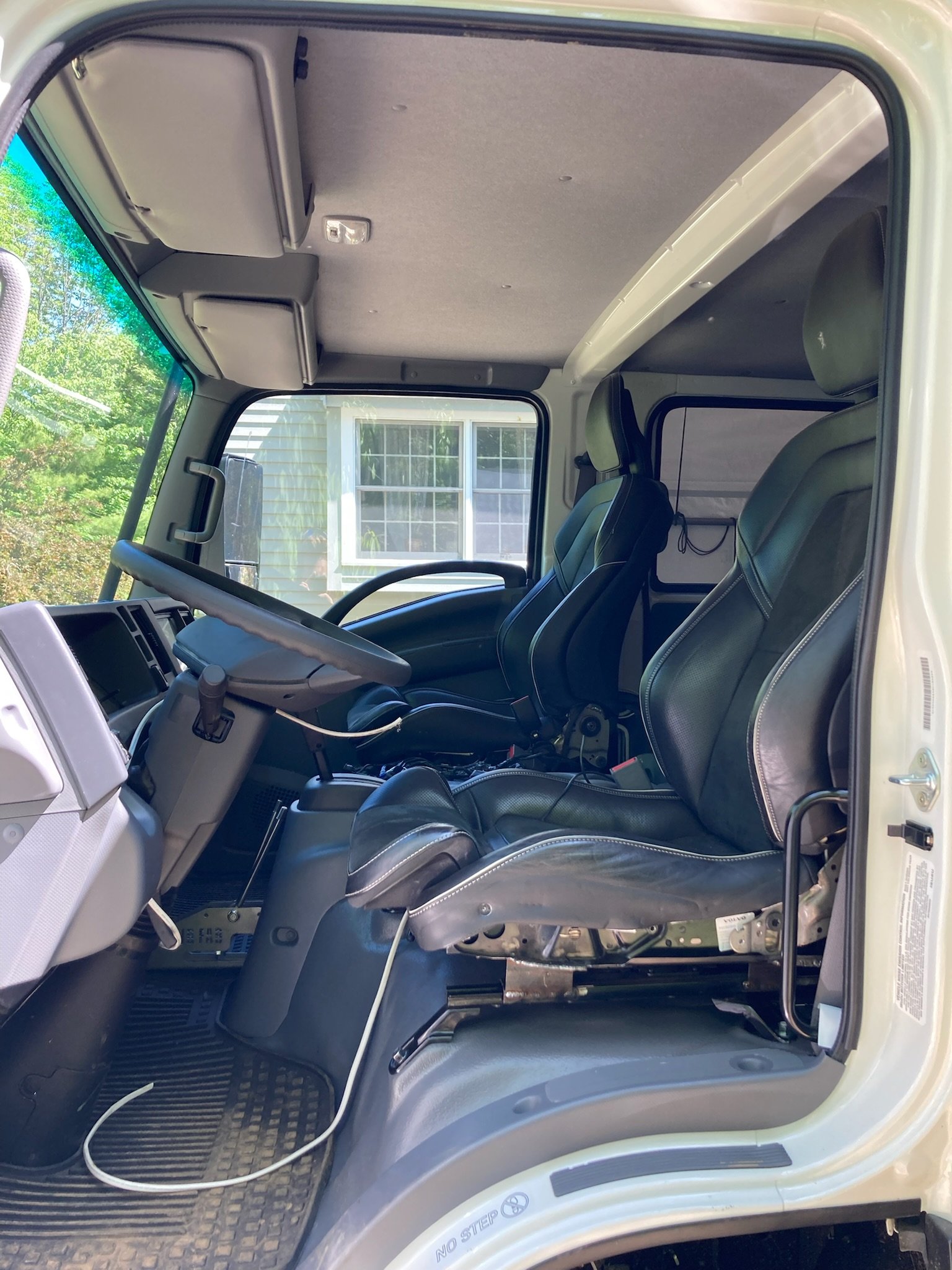
To mount the driver’s seat, we removed Volvo’s forward/back sliders and built a custom bracket to weld the Isuzu sliders in place. Keeping the seat height as low as possible was critical so the driver’s feet stay firmly on the floor and pedal geometry remains comfortable.
Passenger Seat Mounting
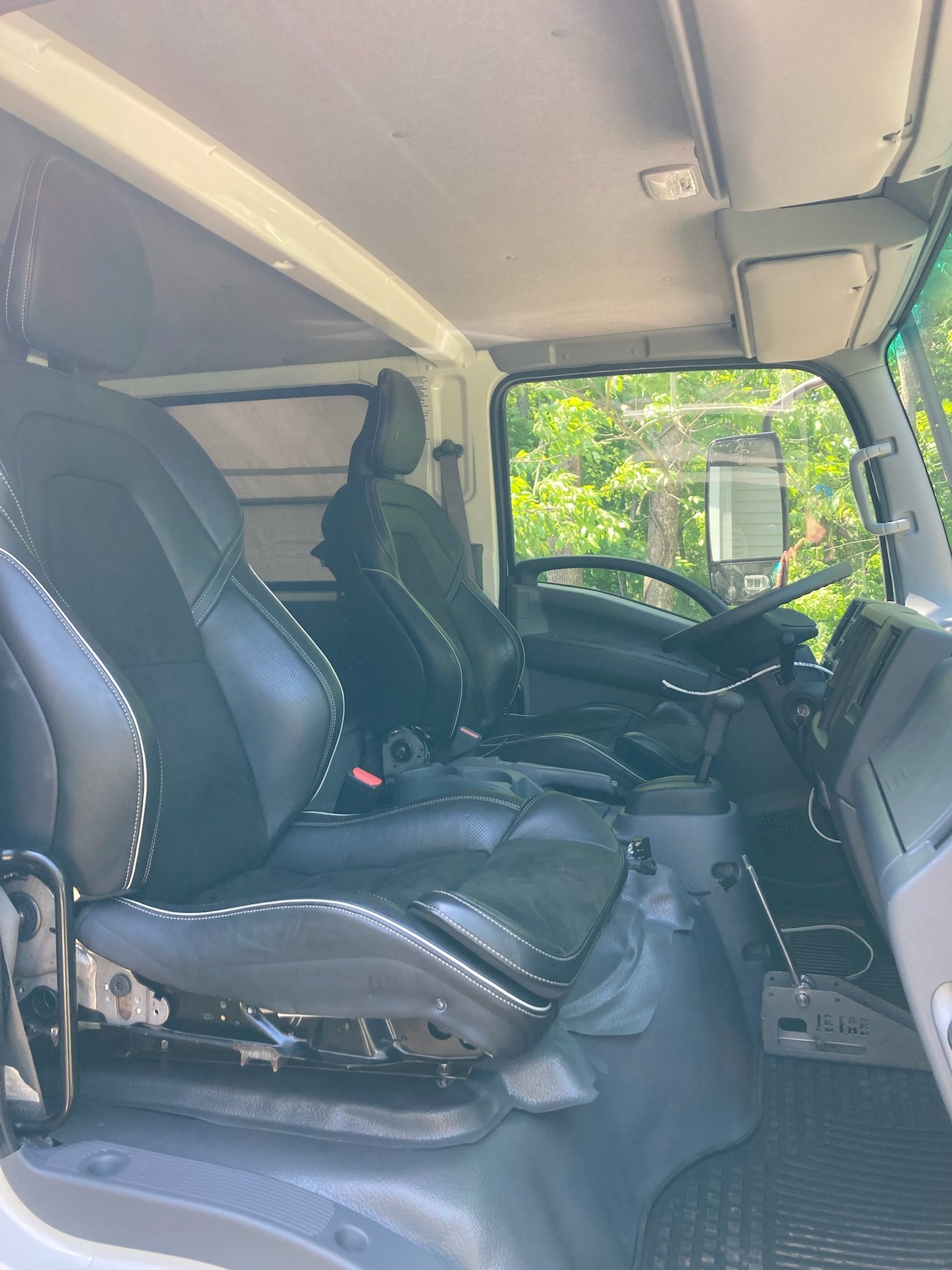
The passenger seat was more challenging. Because this is a crew cab, the entire cab does not tilt for service. Instead, there’s a hatch under the passenger seat used for engine access and oil checks.
The factory Isuzu passenger seat snaps into place so it can be quickly removed. To preserve this functionality and keep things simple, we mounted the Volvo passenger seat without forward/back adjustment. A custom bracket bolts directly to the hatch, allowing easy removal when needed.
The passenger seat still retains all Volvo adjustability, lumbar support, and heat, with its own switch panel mounted on the side.
Rear Seats for Travel Companions
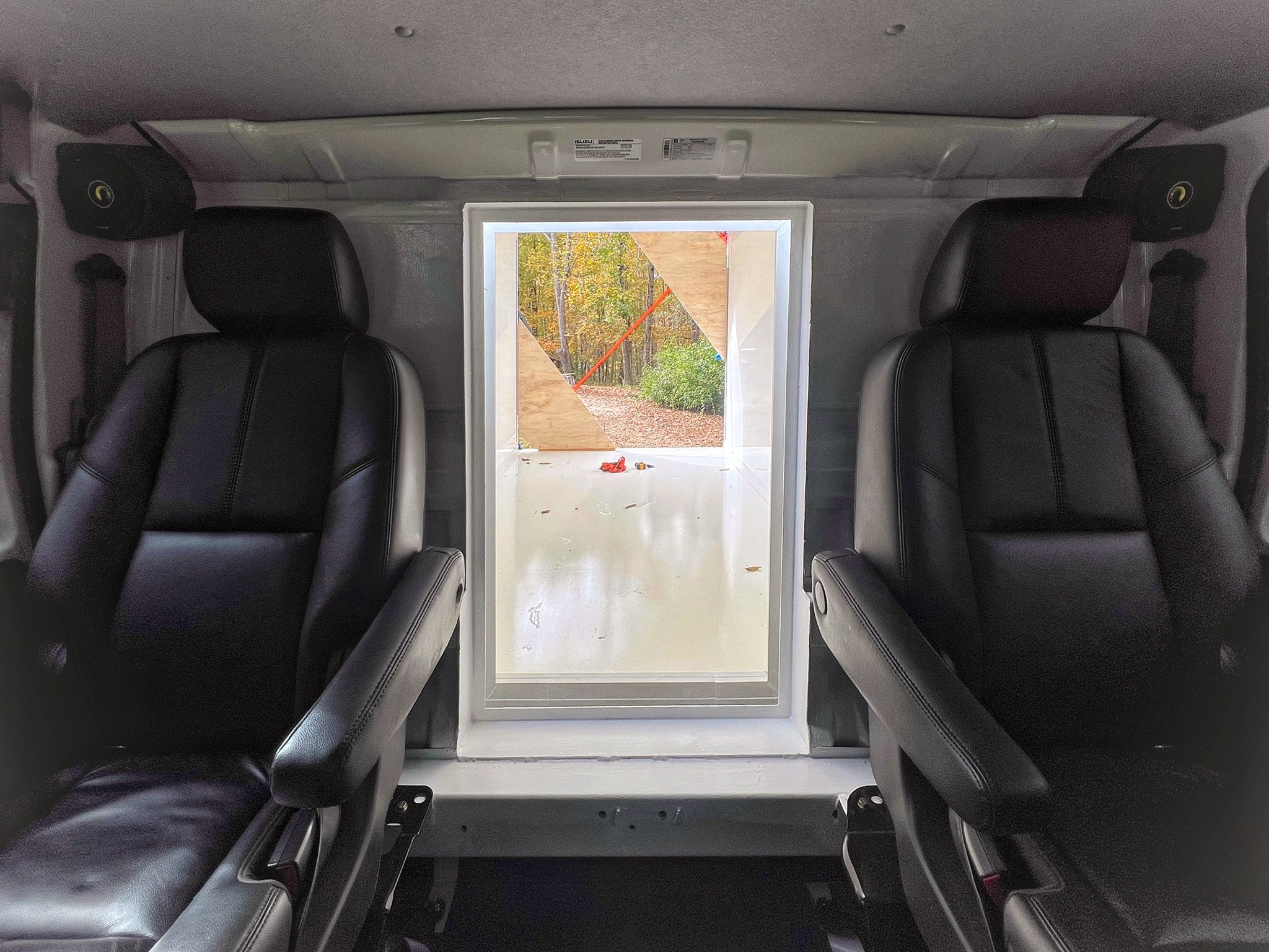
It’s usually just the two of us, but we wanted the option to bring friends along and give them the full overland travel experience. Rear seats don’t need the same level of adjustability, but they should be better than a camp chair.
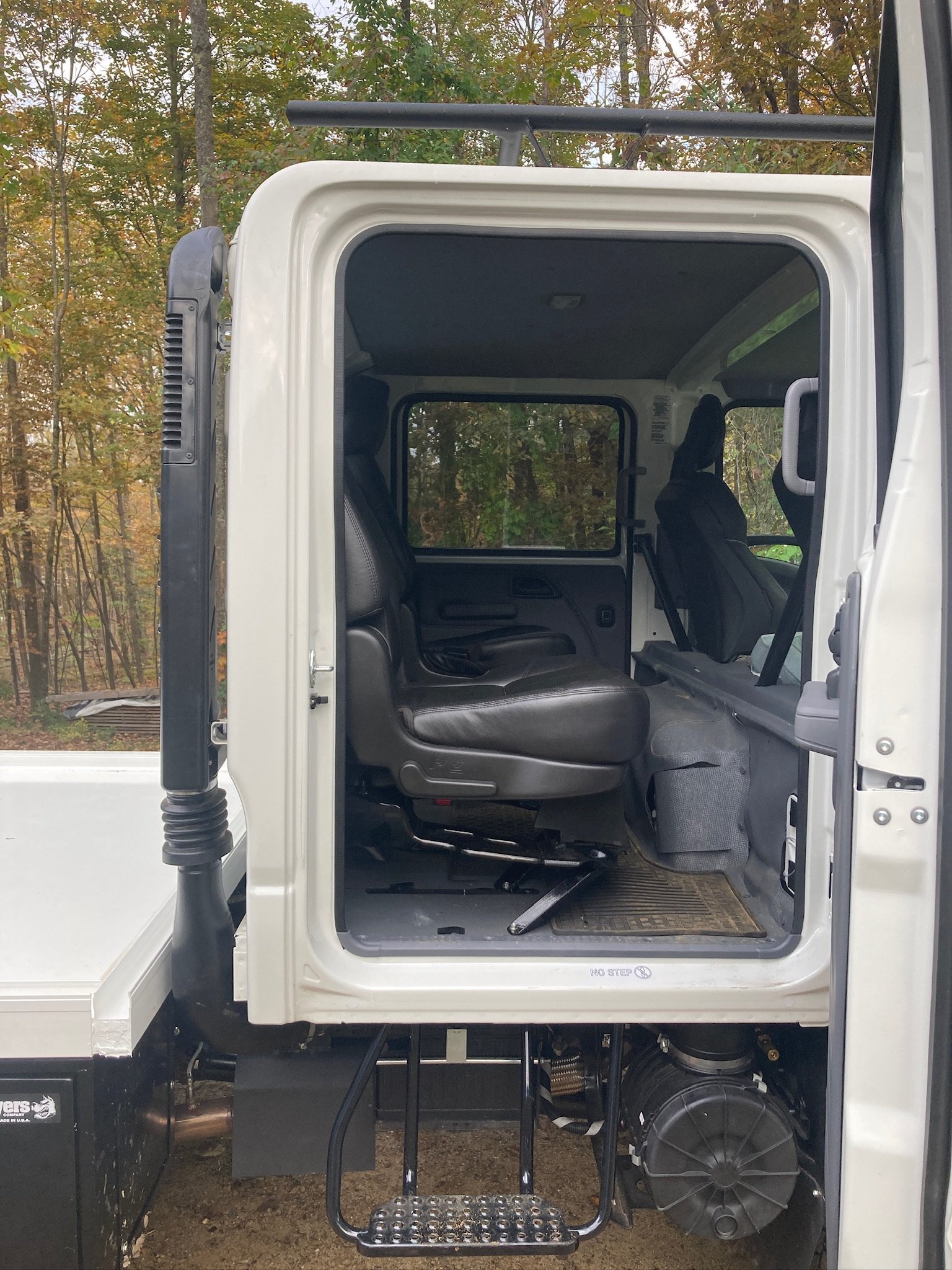
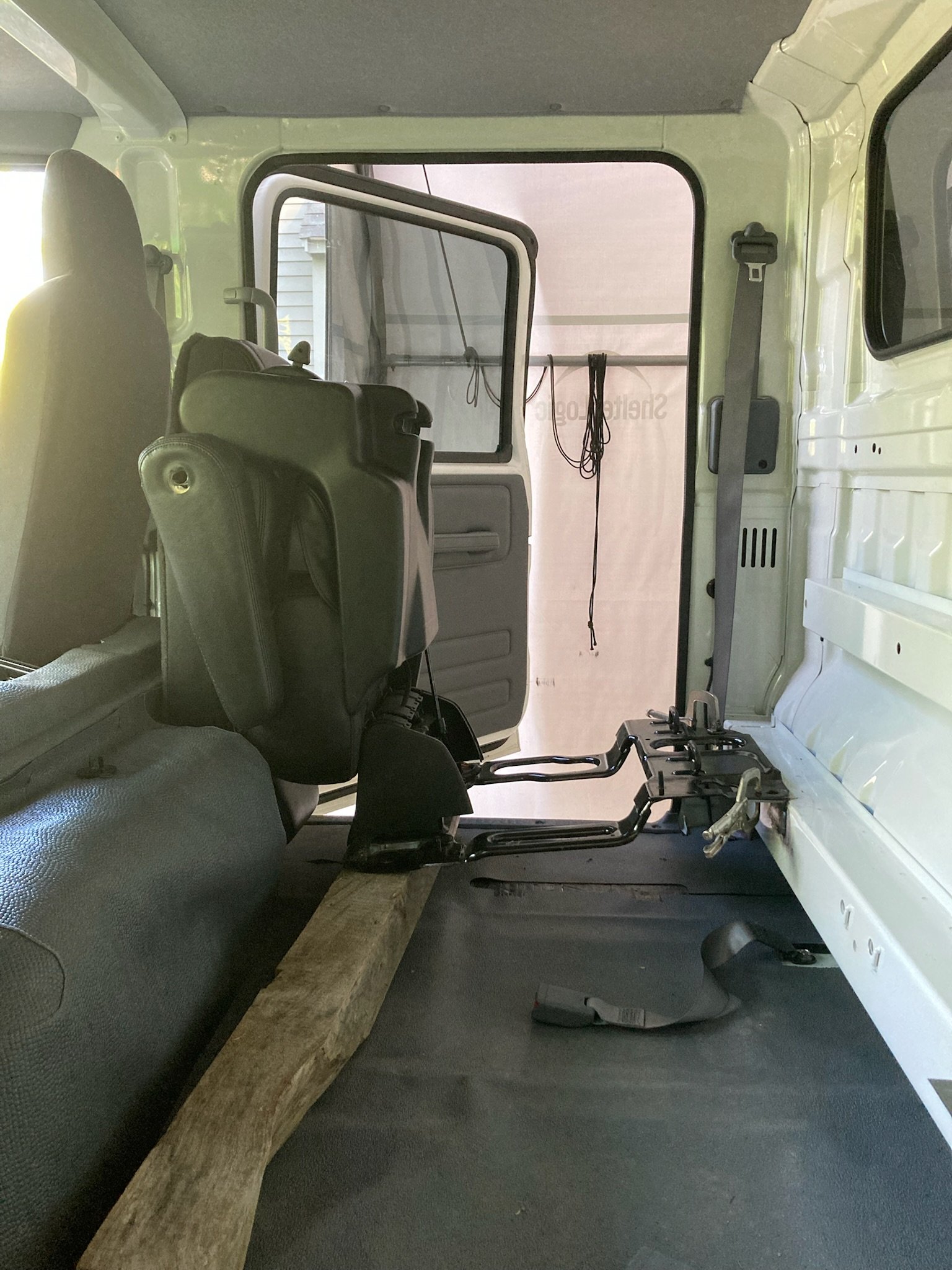
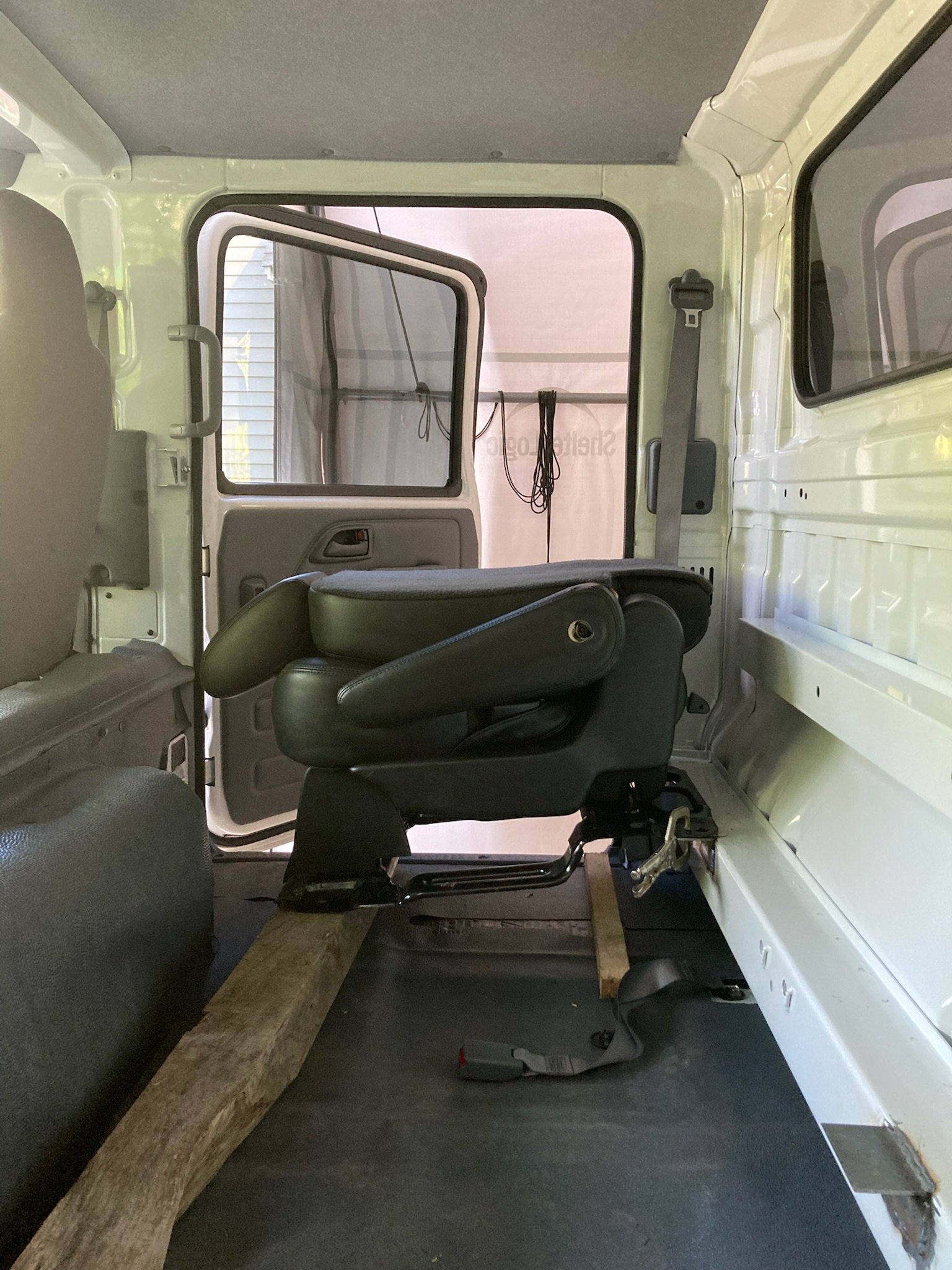
We chose rear seats from a Chevy Tahoe:
Leather
Well-cushioned
Fold forward
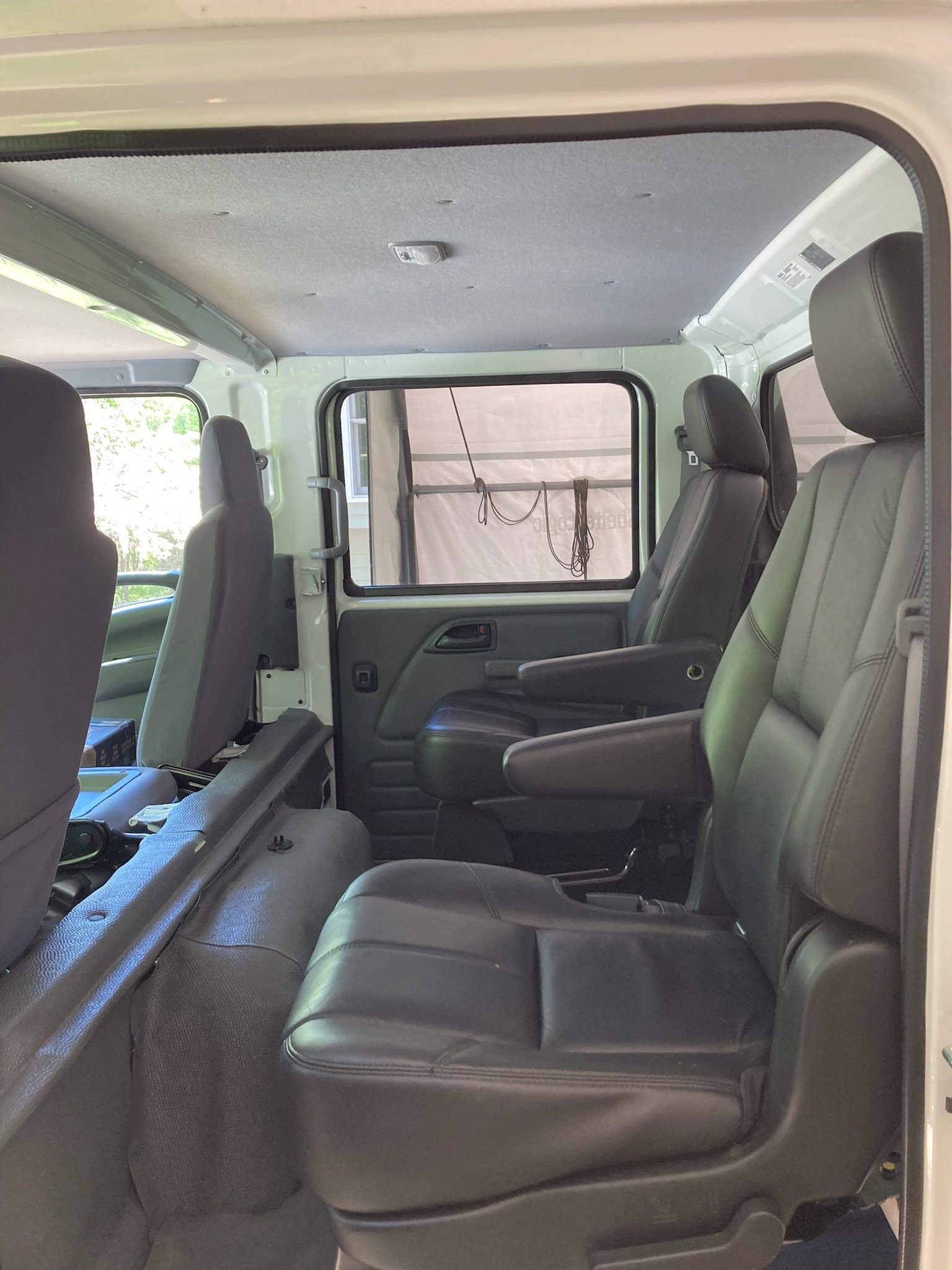
Custom brackets were built to mount them to both the floor and rear wall. They fit well and still allow pass-through into the camper.
That said, they’re not ideal.
For seats that rarely get used, they take up a lot of space and add unnecessary weight. They don’t fold or stow compactly, which is a drawback in a small expedition truck.
Final Thoughts on Our Expedition Truck Seating Upgrade
The front Volvo seats have been a huge upgrade. We now have more adjustability than we know what to do with, excellent comfort, and heated seats that make cold mornings much more enjoyable. After 8-hour driving days, we’re still comfortable. Armrests would be nice, and that’s something we may retrofit later, but overall we’re extremely happy with them.
The rear seats work, but they aren’t our long-term solution. They’re comfortable for short trips but too bulky and heavy for occasional use. Eventually, we’d like to replace them with a more low-profile setup—ideally wall-mounted seats with flip-up bases so the rear area stays mostly clear when not in use.
If you’ve found a good rear seat solution for a DIY expedition truck or overland build, let us know—we’re always looking to improve Rufus.
